

Release time:2025-05-30
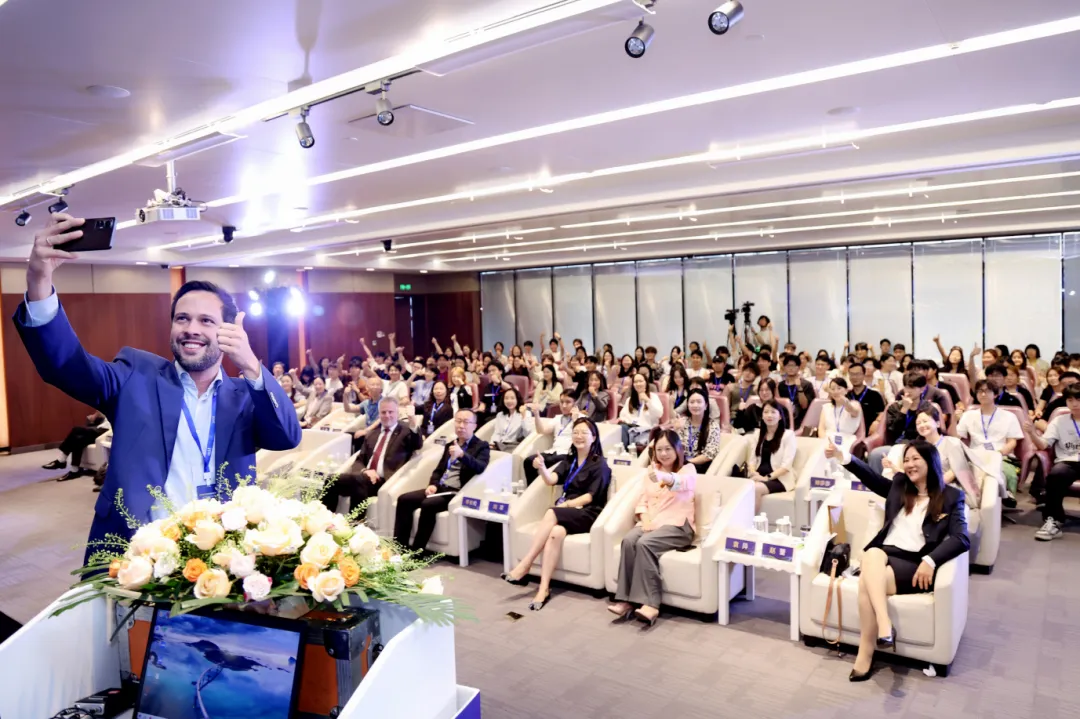
On May 30, 2025, the "Employment Challenges and New Opportunities in the Era of AI – China-Germany Vocational Education Globalization Summit 2025", hosted by LEI Reich and Sino-German Economic, Educational and Cultural Association (DCG), was successfully held at the Business and Innovation Centre for China-Europe Cooperation(CCEC) in Chengdu. Against the backdrop of AI technology reshaping the global industrial landscape and challenging the job market, the summit conducted in-depth discussions on topics including the globalization trend of vocational education, new models of industry-education integration, and the cultivation and employment of international talents. It provided important intellectual support and practical directions for solving employment problems in the AI era and deepening China-Germany vocational education cooperation. Nearly 200 guests attended the summit, including Sino-German education experts, industry leaders, enterprise representatives, government authorities, dual-system education practitioners and professionals from various fields.
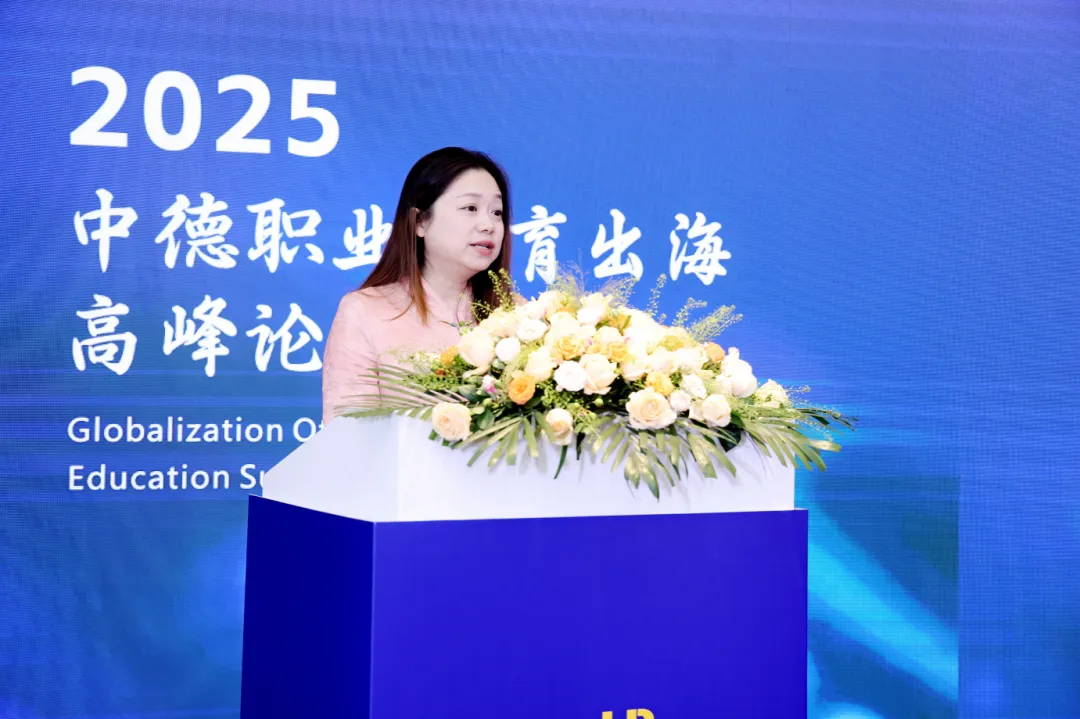
Yuan Yi, Chief of the International Exchange Section of the Chengdu Education International Exchange Center, and Martin Hagen, Managing Director of Republik 21 Think Tank, delivered opening speeches, emphasizing the important role of vocational education in economic development and talent cultivation, as well as the broad prospects for China-Germany vocational education cooperation.
Facing AI Challenges: Embrace Innovation, Achieve Win-Win Results through Dual-System Education
The in-depth and continuous application of AI has greatly improved social and economic efficiency while bringing tremendous challenges to the workforce. As a large number of repetitive and regular jobs are impacted, where lie people's employment opportunities? How to break through the predicament?
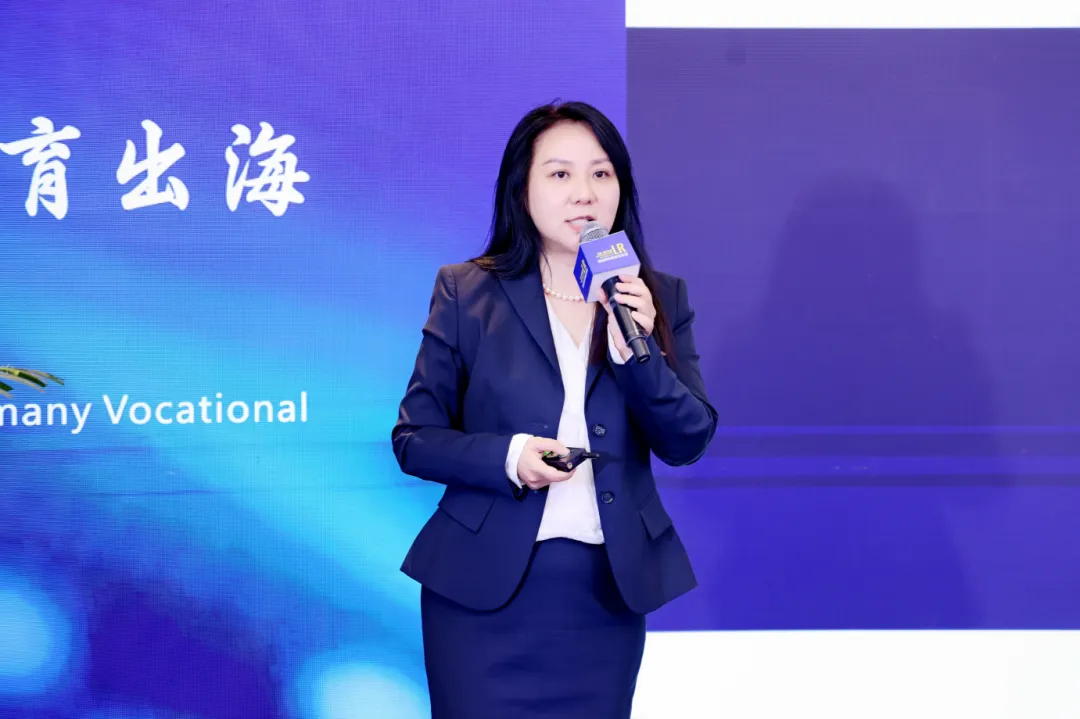
Zhao Lei, Director of the China (Chengdu) Office of DCG and Executive Director of LEI Reich, put forward new ideas in her keynote speech Policies, Current Situation and Trends of China-Germany Vocational Education Globalization. As an authoritative expert with profound accumulation in the field of China-Germany vocational education, she believes that the irreversible AI era will inevitably end some professions while spawning new opportunities. Germany's dual-system vocational education is not only the "secret weapon" for Germany's economic take-off, but also a "secret channel" connecting individual vocational training and career advancement.
Germany's dual-system vocational education is a successful model of vocational education worldwide. Adopting a model of "practical training in enterprises for part of the time and theoretical study in schools for the rest", it cultivates talents with solid professional skills, providing strong human resource support for all walks of life in Germany and winning extensive recognition and respect in society. The integration and infiltration of "theory and practice" have laid a solid foundation for Germany's economic and industrial take-off.
According to data from the German Federal Ministry of Education and Research, the Federal Statistical Office of Germany, the German Rectors' Conference of Universities of Applied Sciences and the German Handicraft Association(HWK), the scale of Germany's dual-system vocational education currently stands at about 500,000 participants, accounting for more than 60% of upper secondary school students. After obtaining vocational qualifications, students in some majors can apply for relevant university programs without taking entrance exams, and 40% of students at German universities of applied sciences have a vocational education background. Approximately 100,000 vocational education graduates obtain higher-level vocational qualifications (such as master craftsmen and engineers) through further education every year. These graduates are not only favored by enterprises but also receive generous rewards. For example, vocational education graduates who pass the Meisterprüfung (Master Craftsman Exam) see their average salary increase by 20-30%. This makes dual-system vocational education more popular among young Germans and, with the increasingly prominent aging problem in Germany, has become a powerful platform for Germany to attract professional and technical talents from around the world.
Bernd Einmeier, President of DCG, provided practical suggestions for Chinese applicants in his keynote sharing Germany's Dual-System Education – A Wise Choice for an International Career, which detailed the current situation of human resources in Germany, the demand and trend of introducing talents to Germany from abroad, and relevant policy guarantees. He stated that Germany has a huge demand for skilled talents and at the same time adheres to a strict vocational qualification certification system and high standards for industry talents. This ensures that after dual-system trainees obtain vocational qualifications, they have guaranteed employment, attractive salaries and high social respect. This has attracted more and more Chinese job seekers to receive vocational education in Germany and also provided impetus for China-Germany vocational education cooperation.
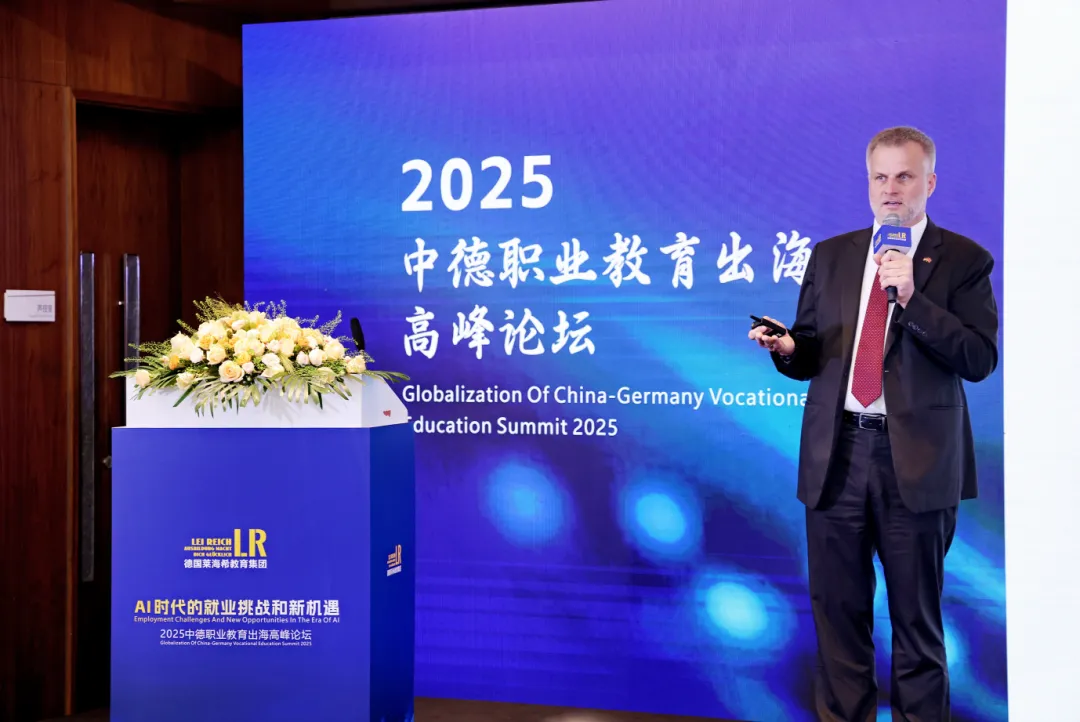
Martin Hagen's speech Current Situation and Demand for Vocational Talents in Bavaria, Germany confirmed this fact: Germany's dual-system talent training system is mature. As Germany's economic and high-tech industrial center, Bavaria faces a considerable shortage of skilled talents, an urgent need for enterprises to cultivate or introduce talents, and the government has introduced relevant support policies.
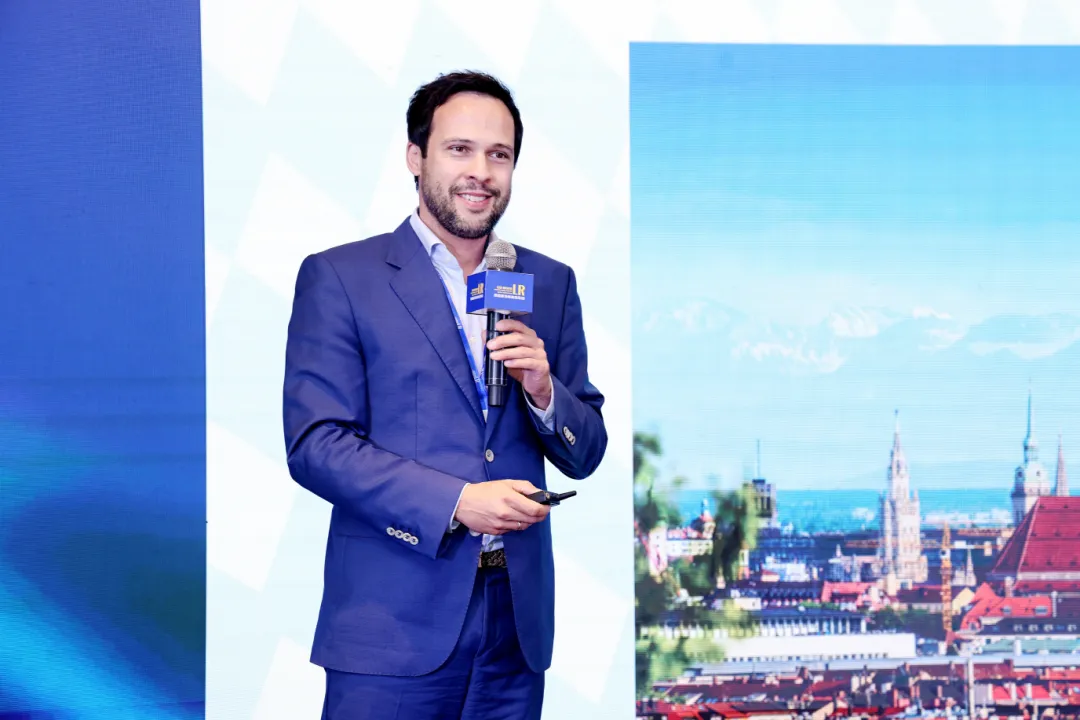
According to Hagen, a key difference between Germany's dual-system vocational education and that of most countries is that enterprises, rather than educational institutions, are the main entities of vocational education in Germany. Enterprises not only provide internships and practical opportunities for students but also participate in the curriculum design and teaching plan formulation of schools, playing a leading role in vocational education. Enterprises themselves must also pass strict assessments by authoritative institutions such as German chambers of commerce and industry and trade associations to be eligible to launch dual-system training. Under this mechanism, enterprises can cultivate high-quality skilled talents that meet their own needs by participating in vocational education, and talents develop a deep recognition of corporate culture and industry prospects during training, achieving a virtuous circle of employment and education.
China-Germany Vocational Education Globalization: Entering a Golden Age
The model of Germany's dual-system vocational education, driven by industrial demand and with in-depth enterprise participation, is highly consistent with the reform direction of China's vocational education, such as promoting the integration of vocational and general education and the integration of industry and education. It is the right time to advance vocational education globalization and promote cooperation in talent cultivation.
At the summit, Li Changsong, Vice Dean of the College of Electrical Engineering of Sichuan University, delivered a sharing titled The Professionalization Trend of China's Higher Engineering Education – A Case Study of the Exploration and Practice of Research Universities. Starting from the background, challenges, requirements and professionalization paths of the professionalization trend of higher engineering education, and combining the case of the China-Germany cooperative education program between Sichuan University and Clausthal University of Technology, he demonstrated the similarities, differences and complementarities of the two educational models. Notably, the cooperation between Sichuan University and Clausthal University of Technology dates back more than 20 years. The sincere cooperation between the two universities has made valuable explorations and set an example for deepening cooperation in the field of China-Germany higher engineering education.
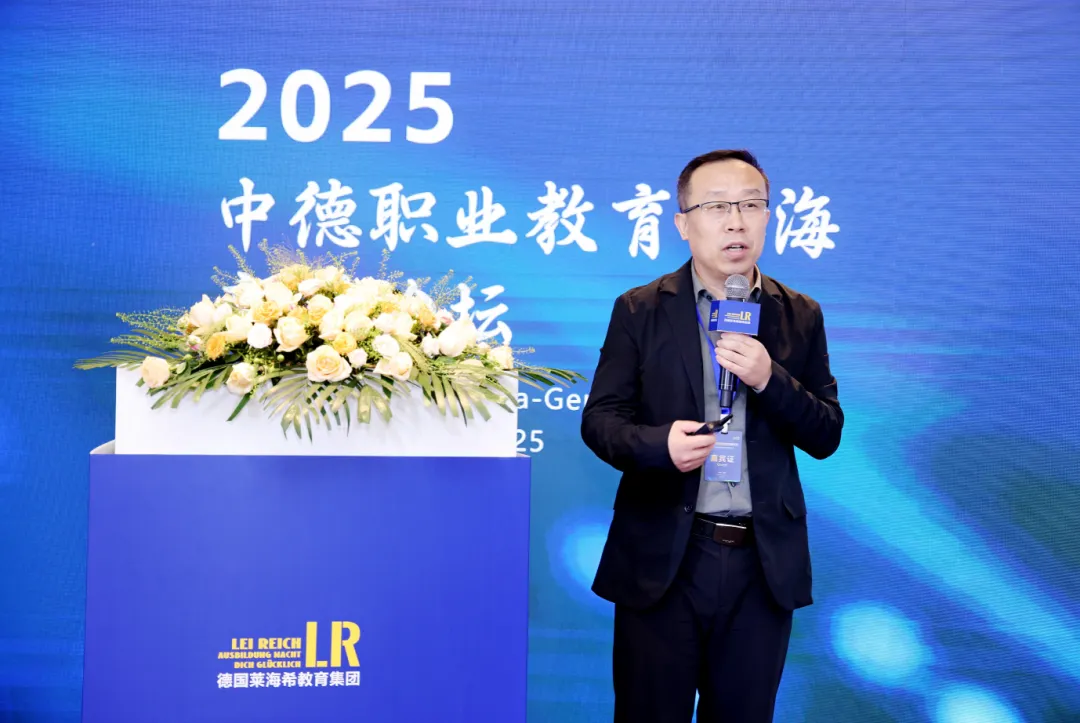
Practitioners who have experienced China-Germany vocational education also shared their personal experiences and insights at the summit.
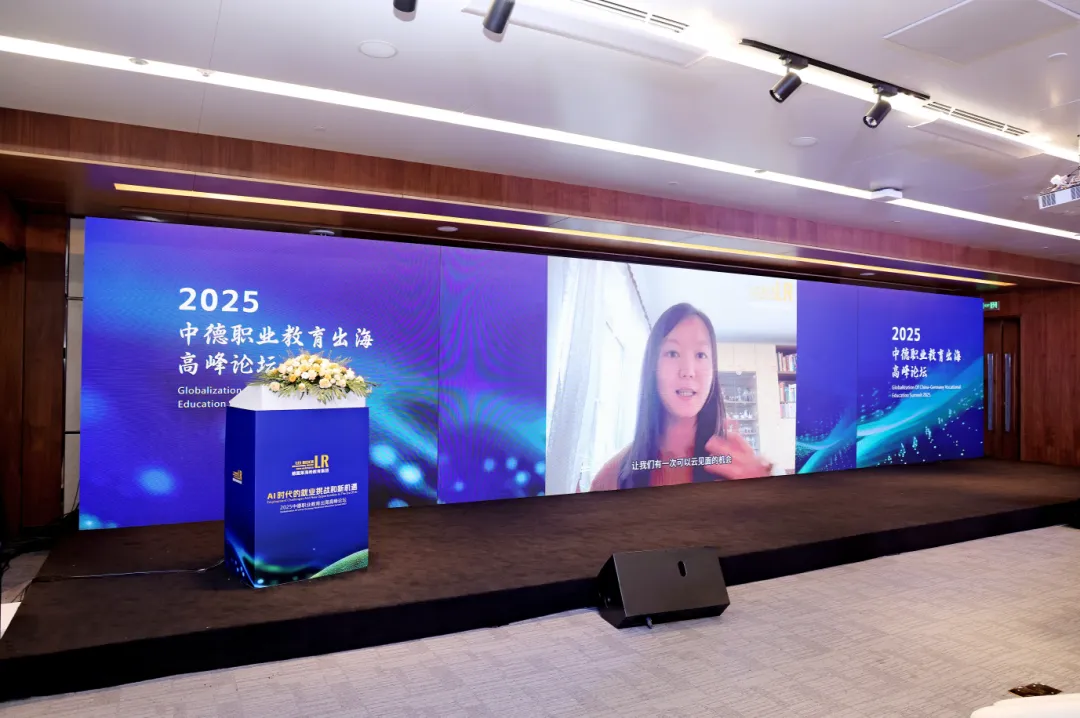
Zhou Mengyao, a specially-appointed practical training teacher at IB University of Germany's IB Education Group, started her career with China's vocational education. She first went to Germany to work as a nurse, then completed a series of career advancement and further studies with the help of Germany's vocational education system, and finally realized her childhood dream of becoming a teacher. Her experience demonstrated the role of China-Germany vocational education in boosting personal development. She delivered her speech online at the summit.
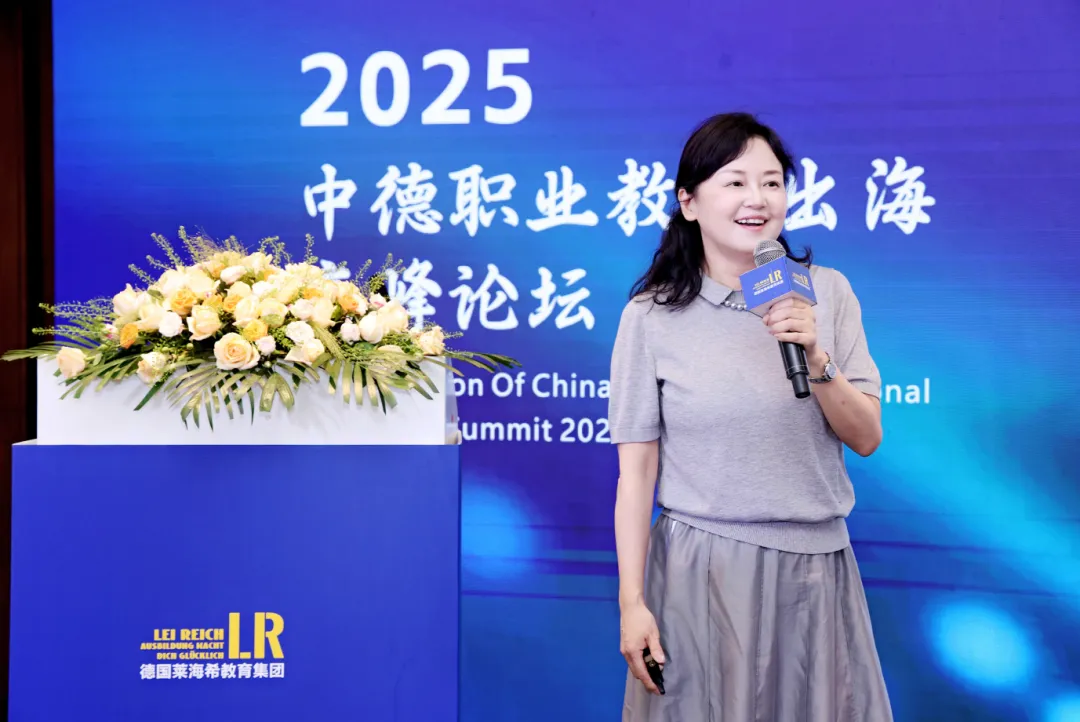
Wang Qian, the parent of a current dual-system trainee, shared her experience and insights of growing together with her child on the dual-system education path. From helping her child decide on the dual-system path, to accompanying the child in learning German, taking interviews and going to Germany, and then witnessing the child's growth and changes in Germany, she put forward sincere suggestions to parents who are hesitant about their children's future planning based on her personal experience.
In-depth Exchanges: Prospects for China-Germany Vocational Education Cooperation
Guests conducted further in-depth exchanges at the roundtable forum of the summit themed Cooperation and Prospects of China-Germany Vocational Education.
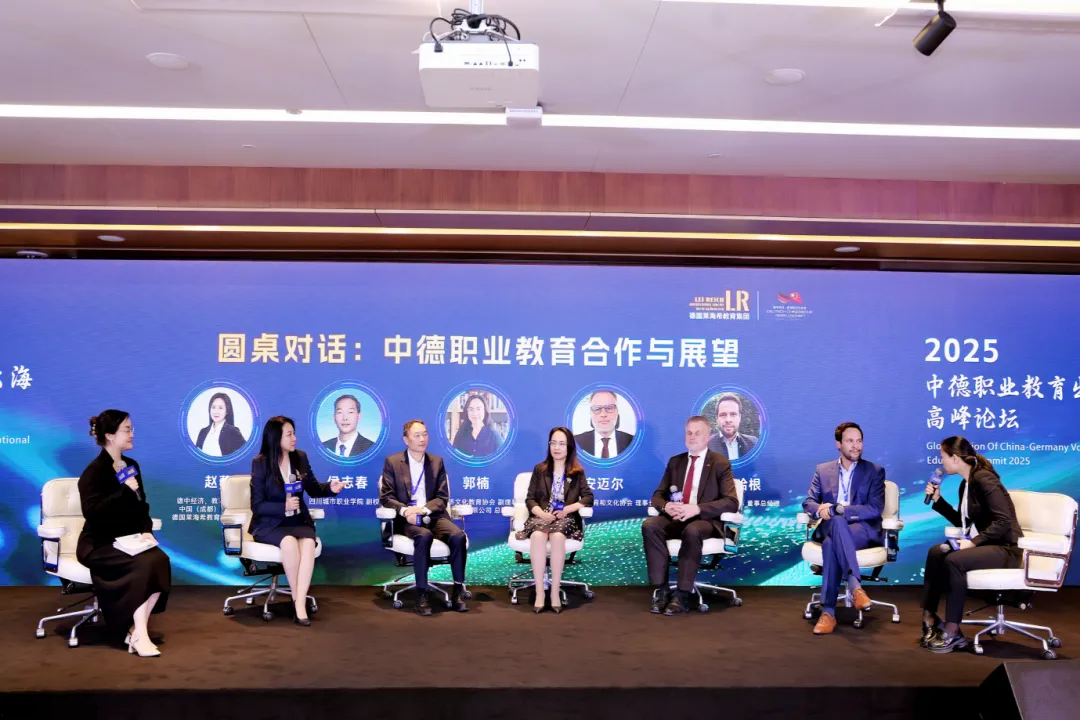
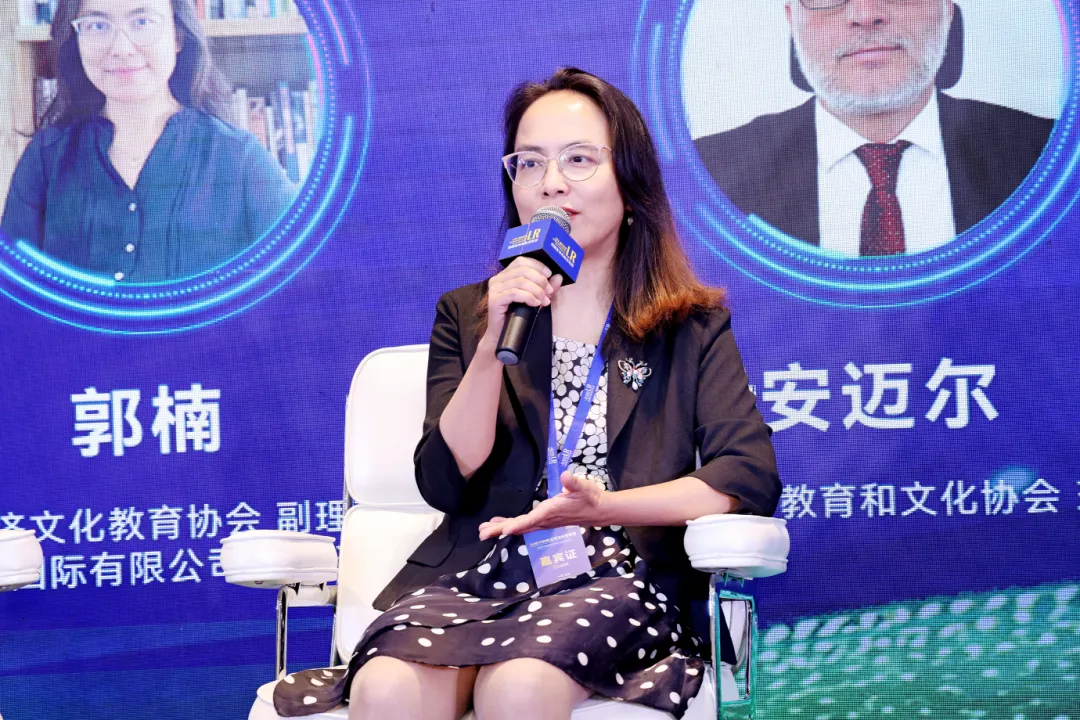
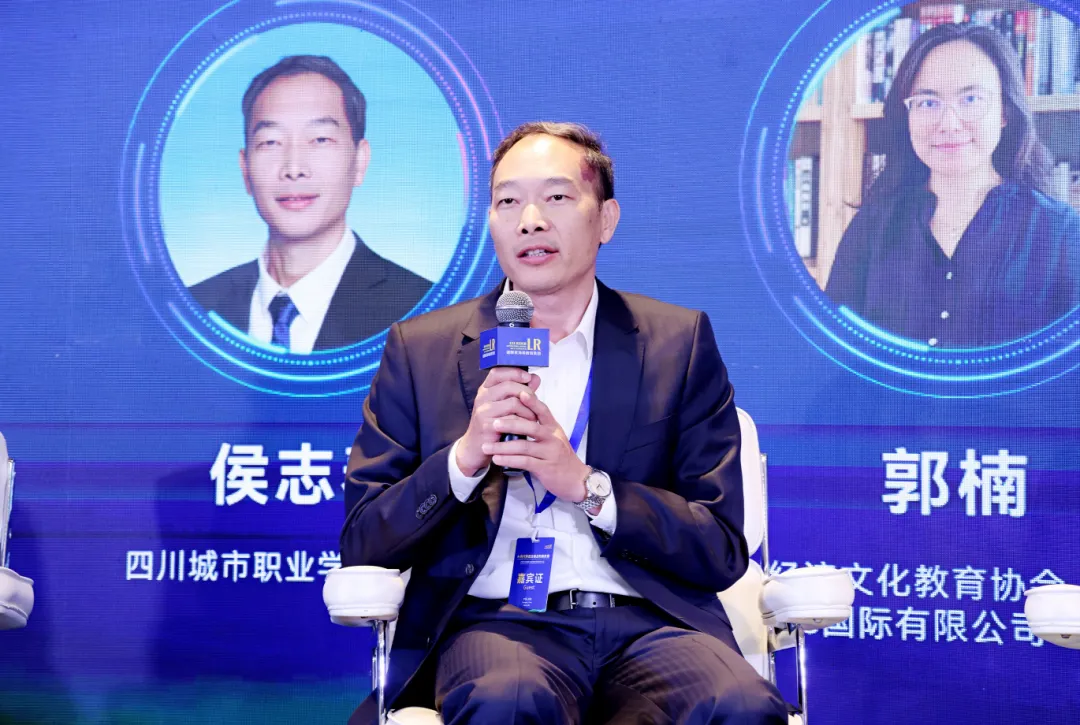
Zhao Lei, Bernd Einmeier, Martin Hagen, Guo Nan, Vice President of DCG and General Manager of TiNC International Co., Ltd., and Hou Zhichun, Vice President of Urban Vocational College of Sichuan, shared the vocational skills training they had received that had a profound impact on them. They also held discussions on opportunities for further deepening China-Germany cooperation in vocational education and expressed their expectations for the future of China-Germany vocational education globalization. As an entrepreneur who started a business in Germany, Guo Nan spoke highly of the learning ability, innovation ability and competitiveness of Chinese students and skilled talents after going abroad based on his years of experience in Germany.
Hou Zhichun revealed that Urban Vocational College of Sichuan has collaborated with LEI Reich to explore the localization of dual-system education since 2019. For example, the college has held relevant lectures for nursing students, introduced German nursing professional skills courses, and organized mutual visits to learn about Germany's highly automated and digital nursing technology and advanced humanized nursing concepts.
At the end of 2022, China issued the Opinions on Deepening the Reform of the Modern Vocational Education System Construction, which clearly stated the need to accelerate the construction of a modern vocational education system, take deepening industry-education integration as the core, comprehensively improve the quality and adaptability of vocational education, and strive to cultivate high-quality technical and skilled talents. This will lay a solid foundation for China's transformation from a large education country to a strong education country and from a large human resource country to a strong human resource country.
As Bernd Einmeier said, China-Germany cooperation in the field of vocational education will surely become broader and deeper. Overcoming challenges such as differences in cultural and educational concepts, vocational standards and language barriers, China-Germany vocational education globalization is entering a golden age. Through the joint efforts of both sides, China-Germany vocational education globalization is expected to achieve greater results, make greater contributions to the economic development and talent cultivation of the two countries, and exert a positive impact on the development of global vocational education.